Vegetables: When to Plant and How to Grow Them
Vegetables are timed from your frost dates. Hardy cool-season crops such as peas, spinach and onions go in weeks before the last spring frost, and tender warm-season crops such as tomatoes, peppers and squash go in after it, once the soil is warm. Many cool-season crops can be planted again in late summer for a fall harvest.
-
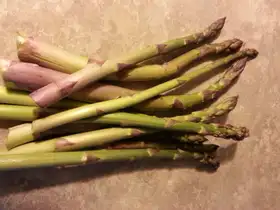 AsparagusFrost-hardy
-
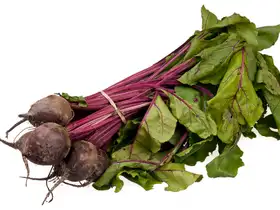 BeetsTakes a light frost, cool season
-
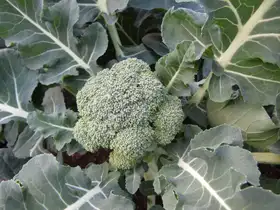 BroccoliFrost-hardy, cool season
-
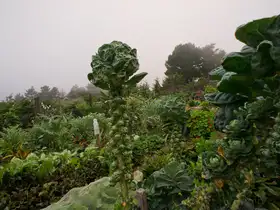 Brussels SproutsFrost-hardy, cool season
-
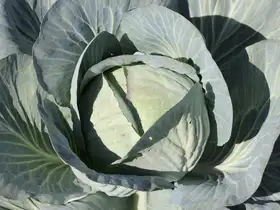 CabbagesFrost-hardy, cool season
-
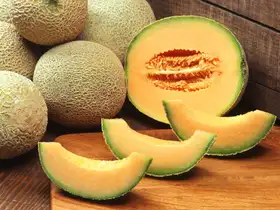 CantaloupesFrost-tender, warm season
-
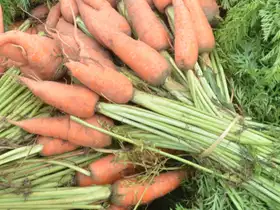 CarrotsTakes a light frost, cool season
-
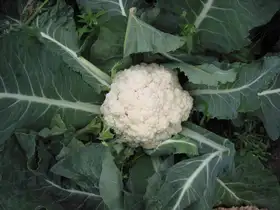 CauliflowerTakes a light frost, cool season
-
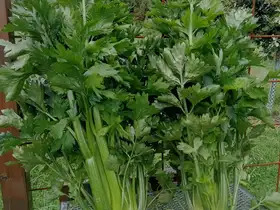 CeleryTakes a light frost, cool season
-
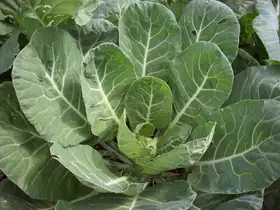 Collard GreensFrost-hardy, cool season
-
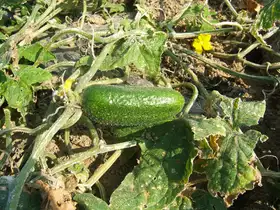 CucumbersFrost-tender, warm season
-
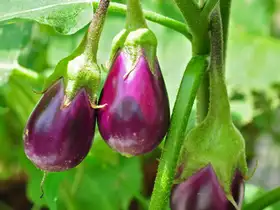 EggplantsFrost-tender, warm season
-
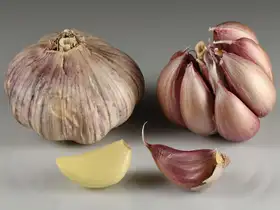 GarlicFrost-hardy, cool season
-
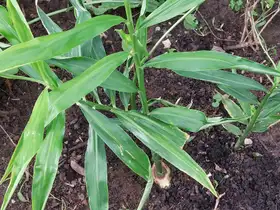 GingerFrost-tender, warm season
-
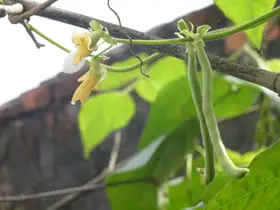 Green BeansFrost-tender, warm season
-
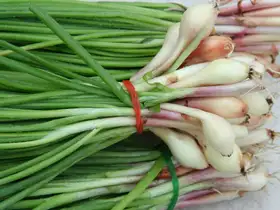 Green OnionsFrost-hardy, cool season
-
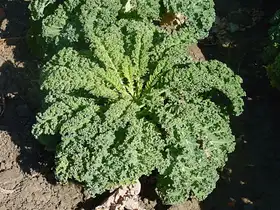 KaleFrost-hardy, cool season
-
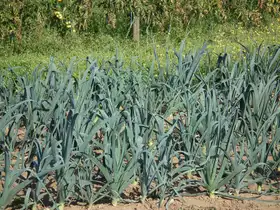 LeeksFrost-hardy, cool season
-
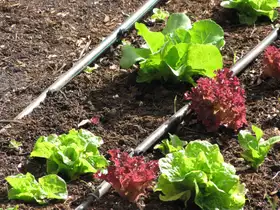 LettuceTakes a light frost, cool season
-
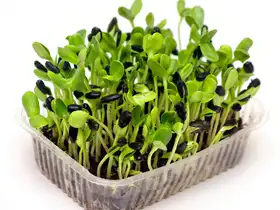 Microgreens
-
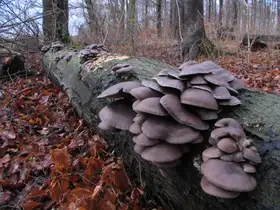 Mushrooms
-
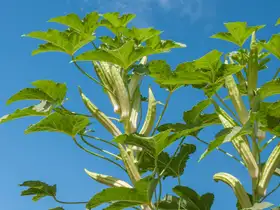 OkraFrost-tender, warm season
-
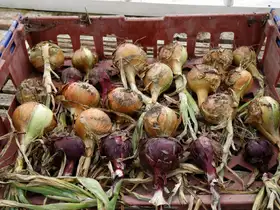 OnionsFrost-hardy, cool season
-
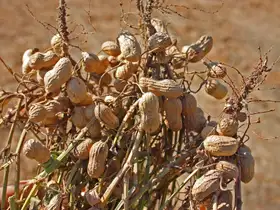 PeanutsFrost-tender, warm season
-
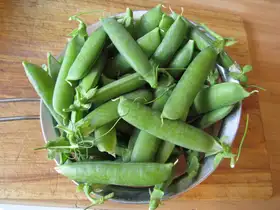 PeasFrost-hardy, cool season
-
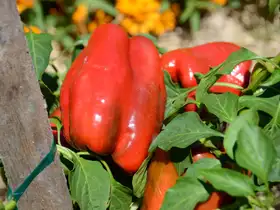 PeppersFrost-tender, warm season
-
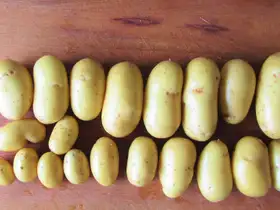 PotatoesTakes a light frost, cool season
-
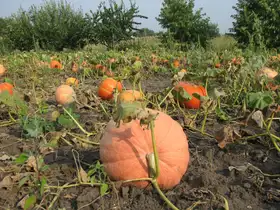 PumpkinsFrost-tender, warm season
-
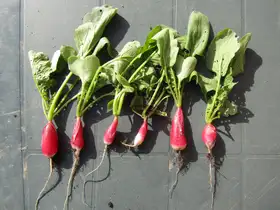 RadishesTakes a light frost, cool season
-
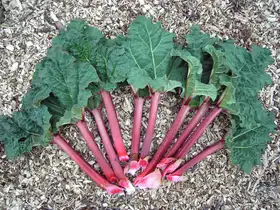 RhubarbFrost-hardy
-
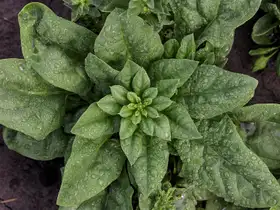 SpinachFrost-hardy, cool season
-
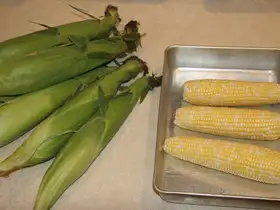 Sweet CornFrost-tender, warm season
-
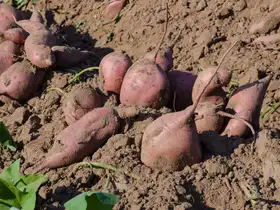 Sweet PotatoesFrost-tender, warm season
-
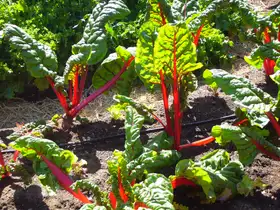 Swiss ChardTakes a light frost, cool season
-
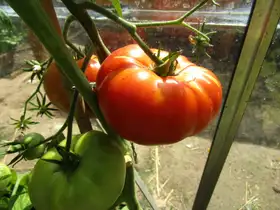 TomatoesFrost-tender, warm season
-
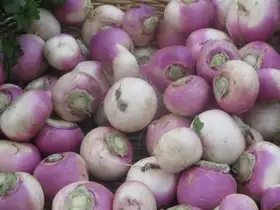 TurnipsFrost-hardy, cool season
-
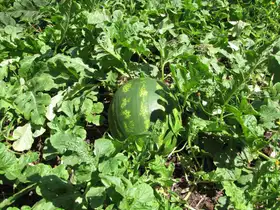 WatermelonsFrost-tender, warm season
-
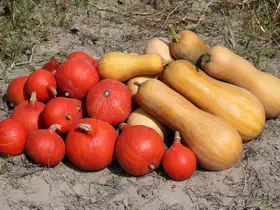 Winter SquashFrost-tender, warm season
-
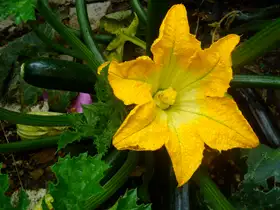 ZucchiniFrost-tender, warm season
Cool-season and warm-season vegetables
Every vegetable on this site falls into one of two groups, and the group decides when it is planted.
Cool-season vegetables grow best in mild weather. Colorado State puts their preferred range at about 60-80°F, and they lose quality in summer heat: lettuce turns bitter, spinach bolts and broccoli heads loosen. Most tolerate frost to some degree, so they are planted in early spring and again in mid to late summer for fall.
Warm-season vegetables come from warmer climates. They prefer 70-95°F, need warm soil to germinate, and are injured or killed by frost (Colorado State, Clemson). They are planted after the last spring frost and harvested through summer.
Extension services split the groups further by frost tolerance:
- Hardy: broccoli, cabbage, kale, onions, peas, spinach and turnips. They survive hard frost. Illinois plants them 4-6 weeks before the average last frost, as soon as the soil can be worked.
- Half-hardy: beets, carrots, cauliflower, leaf lettuce, potatoes, radishes and Swiss chard. They tolerate light frost and go in about 2-3 weeks before the last frost.
- Tender: snap beans, sweet corn, cucumbers and summer squash. They go in after the last frost, and Purdue waits until the soil is at least 60°F for beans and corn to avoid seed rot.
- Very tender: tomatoes, peppers, eggplant, melons, pumpkins and winter squash. Purdue sets these out at least 2 weeks after the average last frost; Colorado State warns that a week of daytime temperatures below 55°F can stunt them.
The planting dates for your ZIP code apply this timing automatically. Open any vegetable to see its dates for every zone.
Soil temperature matters as much as frost
The frost date is an air-temperature date; seeds respond to soil temperature. In a University of California trial published by Oregon State, tomato seed took about 43 days to emerge in 50°F soil and about 6 days at 77°F, while lettuce germinated in 7 days even at 50°F. That is why cool-season seeds can be sown early and warm-season seeds sown into cold soil often rot.
Start indoors or sow directly
Clemson lists broccoli, cabbage, kale, tomatoes, peppers, eggplant, lettuce and onions as easy to transplant, and beans, corn and carrots as better sown directly. UGA adds large-seeded crops such as pumpkins and root crops such as beets to the direct-sow list. Starting your own transplants takes 3-10 weeks depending on the crop; the seed-starting guide covers how.
Succession and fall planting
Quick crops can be sown several times. New Mexico State suggests intervals such as 7 days for baby greens, radishes and spinach, 14-21 days for beets, carrots and bush beans, and 30 days for summer squash and cucumbers, as long as there is time left for the crop to mature. In late summer, cool-season crops such as broccoli, kale, cabbage, turnips and spinach can be planted again to mature in the cool weeks of fall.
Where to start
Clemson’s first advice is to keep the garden small and grow what your household eats. Pick a spot with at least 6 hours of direct sun; New Mexico State wants 8 hours for fruiting crops such as tomatoes, peppers and squash, while leafy greens tolerate partial shade. A first garden of direct-sown lettuce, radishes, peas and bush beans plus a few purchased tomato and pepper transplants covers both seasons with little equipment.
In the South and Southwest, summer heat is a second limit: NC State notes tomatoes stop setting fruit when days stay above 90°F and nights above 70°F, so spring planting starts early and fall becomes a main season.
Questions
What is the difference between cool-season and warm-season vegetables?
Cool-season vegetables such as lettuce, peas, broccoli and spinach grow best in mild weather and tolerate some frost, so they are planted in early spring and again for fall. Warm-season vegetables such as tomatoes, peppers, beans, squash and melons need warm soil and are killed by frost, so they go in after the last frost.
How early can I plant vegetables in spring?
Hardy crops such as peas, spinach, onions and cabbage can go in 4-6 weeks before your average last frost (Illinois, Purdue), or 2-4 weeks before by Colorado State's guide. Half-hardy crops such as beets, carrots, lettuce and potatoes follow 0-3 weeks before. Tender crops wait until after the frost date.
Which vegetables should I start indoors and which should I sow directly?
Start tomatoes, peppers, eggplant, broccoli, cabbage and onions indoors or buy transplants. Sow beans, corn, carrots, beets, pumpkins and other large-seeded or root crops directly in the garden, because they do poorly as transplants or gain little from them (Clemson, UGA).
When should I plant a fall vegetable garden?
Count back from your average first fall frost. Purdue recommends planting cool-season crops for fall at least 4-8 weeks before it, and Virginia Cooperative Extension adds about 2 weeks to the days to maturity because growth slows as days shorten.