Flowers and Bulbs: When to Plant and How to Grow Them
Flowers are timed by type. Hardy annuals such as pansies and snapdragons go out about 4 weeks before the last frost, tender annuals such as zinnias and marigolds after it, and perennials in spring or early fall. Spring bulbs such as tulips and daffodils are planted in fall because they need weeks of winter cold to bloom.
-
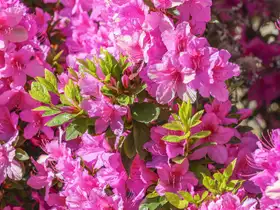 AzaleasFrost-hardy
-
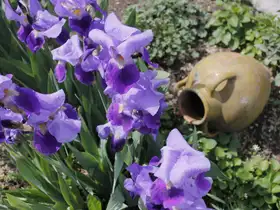 Bearded IrisesFrost-hardy
-
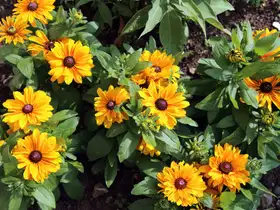 Black-eyed SusansFrost-hardy, cool season
-
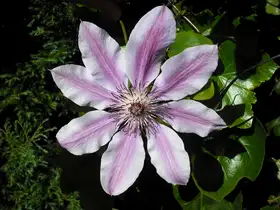 ClematisFrost-hardy
-
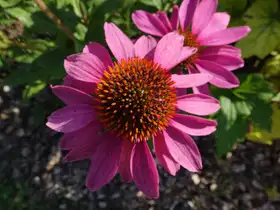 ConeflowersFrost-hardy
-
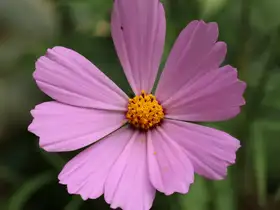 CosmosFrost-tender, warm season
-
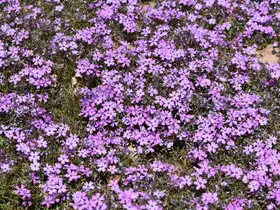 Creeping PhloxFrost-hardy
-
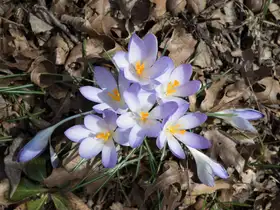 CrocusesFrost-hardy
-
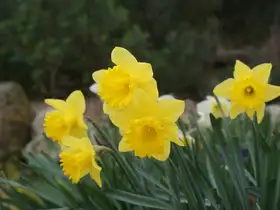 DaffodilsFrost-hardy
-
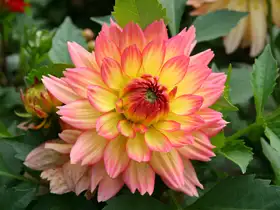 DahliasFrost-tender, warm season
-
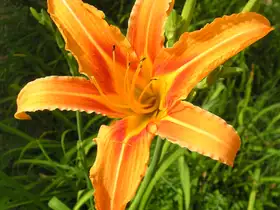 DayliliesFrost-hardy
-
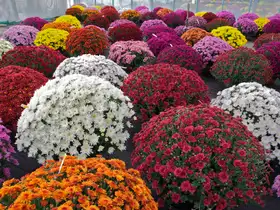 Garden MumsFrost-hardy
-
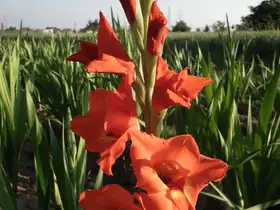 GladioliFrost-tender, warm season
-
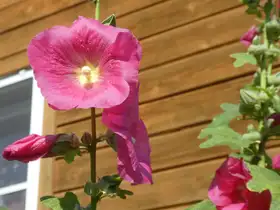 HollyhocksFrost-hardy
-
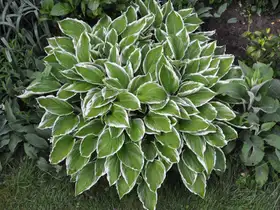 HostasFrost-hardy
-
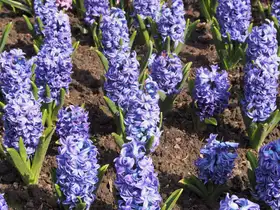 HyacinthsFrost-hardy
-
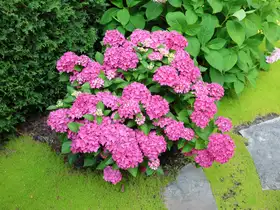 HydrangeasFrost-hardy
-
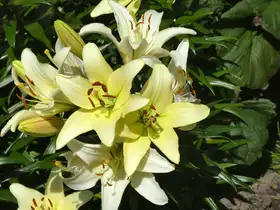 LiliesFrost-hardy
-
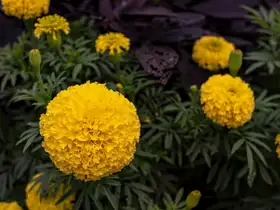 MarigoldsFrost-tender, warm season
-
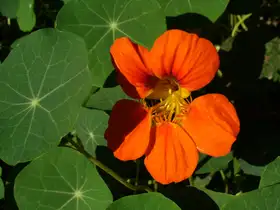 NasturtiumsFrost-tender, warm season
-
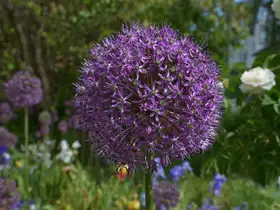 Ornamental AlliumsFrost-hardy
-
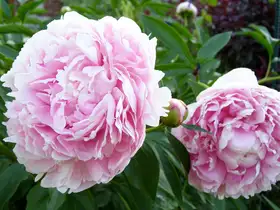 PeoniesFrost-hardy
-
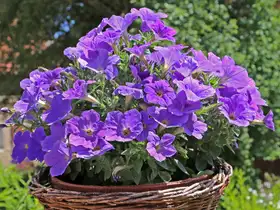 PetuniasTakes a light frost, warm season
-
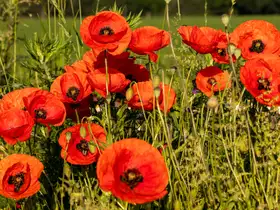 PoppiesFrost-hardy, cool season
-
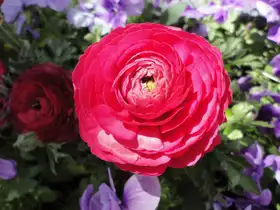 RanunculusTakes a light frost, cool season
-
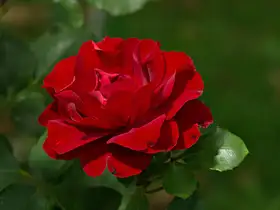 RosesFrost-hardy
-
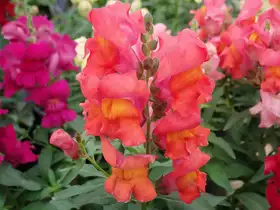 SnapdragonsTakes a light frost, cool season
-
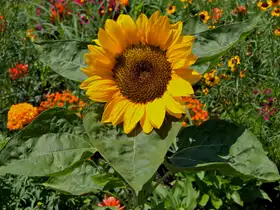 SunflowersFrost-tender, warm season
-
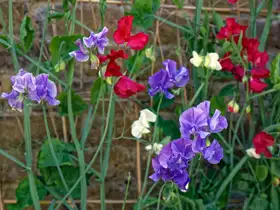 Sweet PeasTakes a light frost, cool season
-
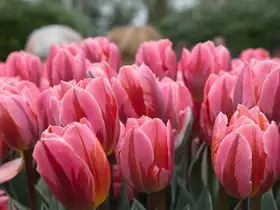 TulipsFrost-hardy
-
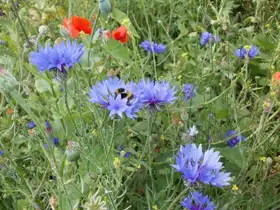 WildflowersFrost-hardy
-
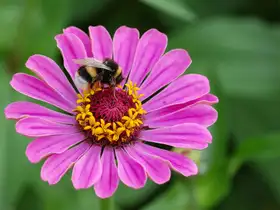 ZinniasFrost-tender, warm season
Annuals: hardy, half-hardy and tender
Annual flowers live for one season, so their planting date depends on how much cold they tolerate. Illinois Extension groups them in three:
- Hardy annuals such as pansies, snapdragons, sweet alyssum, calendula and ornamental kale tolerate frost and go out about 4 weeks before the frost-free date.
- Half-hardy annuals such as petunias, geraniums and dianthus tolerate a little cold and go out about 2 weeks before.
- Tender annuals such as impatiens, zinnias, begonias and coleus are killed by frost and are planted on or a few weeks after the frost-free date.
Some annuals reseed and return like perennials, such as cleome and cosmos, and some plants sold as annuals, such as geraniums, lantana and coleus, are tender perennials in warm climates (Illinois). In the South, NC State recommends sowing hardy annuals such as larkspur, poppies, bachelor’s buttons and calendula in fall, because spring there is too short for them to thrive.
Perennials
Perennials die back in winter and return from their roots. Plant them in spring or early fall, choose ones rated for your hardiness zone, and be patient: WSU says they take at least two years to establish. Some live for decades. Iowa State lists peonies, daylilies, hostas, Siberian iris and daffodils among perennials that often last 20 years or more, while delphiniums, lupines, coral bells and hybrid tulips often fade within 10.
Bulbs
Spring-flowering bulbs such as tulips, daffodils, crocus and hyacinths are planted in fall. WSU says most need 11-14 weeks below about 45°F to bloom, and its planting window runs from September in the coldest zones to November in zones 7-8. Illinois plants tulips and daffodils 6-8 inches deep and crocus 3-4 inches deep, in a spot with at least 8 hours of sun. Daffodils naturalize for years; NC State notes hybrid tulips usually decline sharply after the first year.
Summer-flowering bulbs such as dahlias and gladiolus are frost-tender. Iowa State plants gladiolus corms after the danger of frost is past, 4-6 inches deep, and makes successive plantings every 2 weeks until early July for blooms from midsummer into fall; they flower about 8-10 weeks after planting.
Warm-winter bulbs: where winters are too mild for tulips, Texas A&M recommends bulbs that need no chilling and return each year, such as paperwhite and other tazetta narcissus, crinum, oxblood lily and rain lilies.
Flowering shrubs
Shrubs such as hydrangeas, azaleas and roses are planted like other woody plants, in spring or fall, and choosing the right species for your zone matters most. Each shrub guide covers hardiness by type.
Where to start
Tender annuals sown straight into warm soil are the easiest start. Zinnias, sunflowers, marigolds and cosmos all grow quickly from seed sown after the last frost. Add a fall planting of daffodils for a spring display that returns each year.
Questions
When should I plant annual flowers?
It depends on their cold tolerance. Illinois Extension plants hardy annuals such as pansies, snapdragons and sweet alyssum about 4 weeks before the frost-free date, half-hardy annuals such as petunias about 2 weeks before, and tender annuals such as zinnias, impatiens and coleus on or after it.
Why are tulips and daffodils planted in fall?
Most spring bulbs need 11-14 weeks below about 45°F to bloom (WSU). Plant them after the soil cools in fall and before it freezes hard; bulbs planted as late as February bloom poorly or not at all.
Why didn't my new perennials bloom much the first year?
Perennials take time to establish. WSU sums it up as "the first year they sleep, the next year they creep, the third year they leap."
Can I grow tulips in the South?
As annuals. Winters in Florida and the Gulf South are too warm for tulips to rebloom, so UF/IFAS and LSU recommend refrigerating bulbs for several weeks and planting them in early winter for one season of flowers.