Herbs: When to Plant and How to Grow Them
Herbs split into frost-tender annuals such as basil, cool-season annuals such as cilantro, dill and parsley, and perennials such as chives, mint, oregano, sage, thyme and lavender that come back each year. Basil goes in after the last frost; cilantro, dill and parsley tolerate cool weather; perennial herbs are planted from small plants in spring or fall.
-
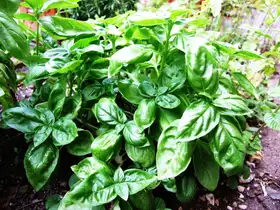 BasilFrost-tender, warm season
-
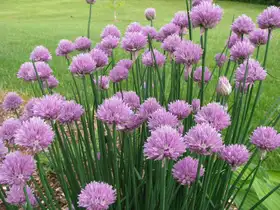 ChivesFrost-hardy
-
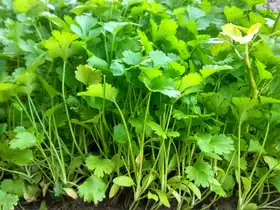 CilantroTakes a light frost, cool season
-
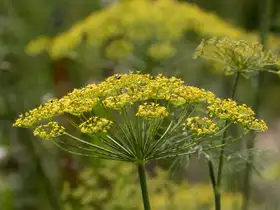 DillTakes a light frost, cool season
-
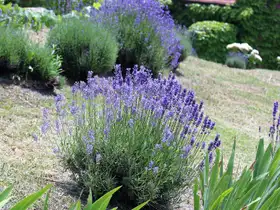 LavendersFrost-hardy
-
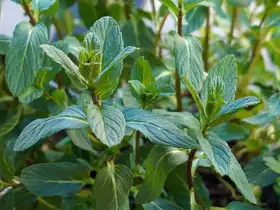 MintsFrost-hardy
-
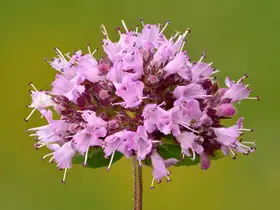 OreganoFrost-hardy
-
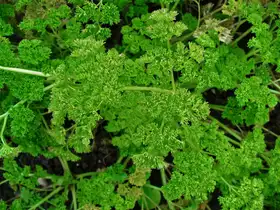 ParsleyFrost-hardy, cool season
-
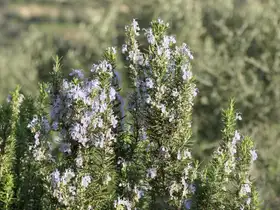 RosemaryTakes a light frost
-
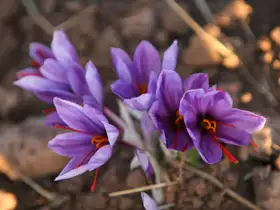 SaffronFrost-hardy
-
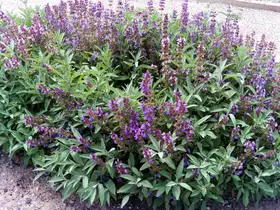 SageFrost-hardy
-
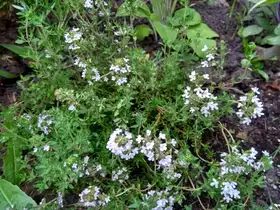 ThymeFrost-hardy
Three kinds of herbs, three planting times
Herbs are not one group when it comes to timing. They fall into three, and each is planted differently.
Tender annuals: basil. Basil is killed by frost and stalls in cool weather. Illinois Extension notes that cold soil and air can blacken its leaves at about 50°F and recommends transplanting well after the frost-free date, once the soil is at least 60°F. The dates for basil are set after your last frost.
Cool-season annuals and biennials: cilantro, dill and parsley. These tolerate cool weather and light frost and do poorly in summer heat; cilantro in particular goes to seed quickly once it turns hot. They are sown around the last frost date in spring, and Clemson notes cold-hardy parsley can also be sown in fall. Clemson sows dill and cilantro directly in the garden.
Perennials: chives, mint, oregano, sage, thyme, lavender and rosemary. Iowa State classes chives, oregano, sage, thyme, French tarragon and lavender as perennials; rosemary is a tender perennial. Clemson transplants most perennial herbs from small pots in early spring or fall. Whether they survive winter depends on your zone: rosemary is rated to zone 8a by NC State and to zone 7 by Illinois, while lavender’s main enemy is wet soil rather than cold, according to Illinois.
Seed or plants
Iowa State says most annual and biennial herbs are grown from seed, which germinates in roughly 12-30 days. Basil, cilantro and dill are easy to sow directly (Clemson). Perennial herbs are usually propagated by cuttings or division, so buying a small plant is the fastest start; sage is the exception that grows readily from seed (Illinois).
Sun, soil and water
Most herbs want a sunny spot and well-drained soil. Clemson calls most of them easy, drought-tolerant and naturally pest-resistant, and warns that rich soil and heavy fertilizer produce soft growth with weaker flavor. Grow mint in a container: Clemson recommends it because mint spreads aggressively through the garden.
Where to start
For a first herb garden, combine one annual you use often with two or three perennials:
- Basil: fast from seed or transplant once the weather is warm.
- Chives: hardy, perennial, and ready to snip early in spring.
- Parsley: tolerates partial shade and cool weather.
- Mint: vigorous and tolerant of partial shade, but keep it in a pot so it cannot spread.
- Thyme and oregano: perennial, drought-tolerant and happy in a sunny, well-drained bed or container.
Each herb guide gives its planting dates for your zone, its frost tolerance, and how to harvest without weakening the plant.
Questions
Which herbs come back every year?
Chives, oregano, sage, thyme, French tarragon, mint and lavender are perennial in most of the country, according to Iowa State. Rosemary is a tender perennial that survives winter outdoors only in mild areas. Basil, cilantro and dill are annuals, and parsley is a biennial usually grown as an annual.
Should I grow herbs from seed or buy plants?
Annual herbs such as basil, cilantro and dill grow easily from seed, often sown directly in the garden. Most perennial herbs are better from cuttings, divisions or purchased plants; Illinois notes that sage is the easiest perennial herb from seed and that seed-grown tarragon has poor flavor.
How much sun do herbs need?
Most need at least 6 hours of direct sun (Clemson), although Iowa State finds 4-6 hours enough for many. Parsley and mint tolerate partial shade.
Do herbs need rich soil and fertilizer?
No. Clemson notes that very fertile soil produces lush leaves with less flavor. Most herbs prefer well-drained soil of average fertility and are fairly drought-tolerant once established.