When to plant, where you live
Enter your ZIP code for your hardiness zone, your frost dates and what to plant this month, worked out from the 1991-2020 frost records of your nearest NOAA weather station.
Most searched growing guides
-
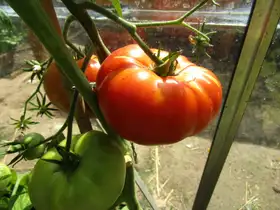 TomatoesFrost-tender, warm season
-
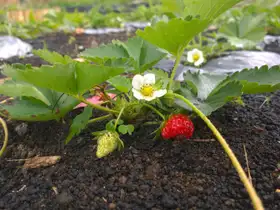 StrawberriesFrost-hardy
-
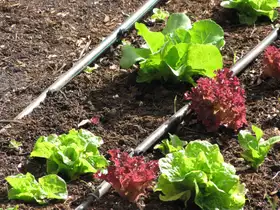 LettuceTakes a light frost, cool season
-
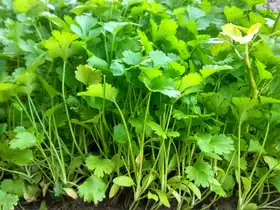 CilantroTakes a light frost, cool season
-
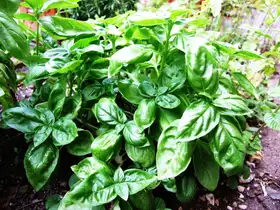 BasilFrost-tender, warm season
-
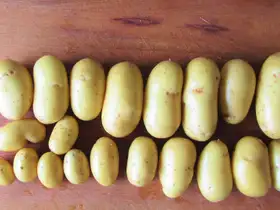 PotatoesTakes a light frost, cool season
-
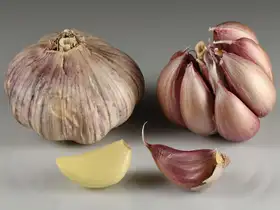 GarlicFrost-hardy, cool season
-
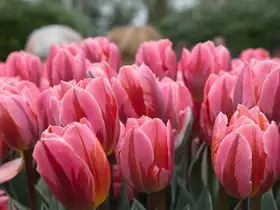 TulipsFrost-hardy
-
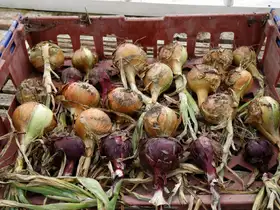 OnionsFrost-hardy, cool season
-
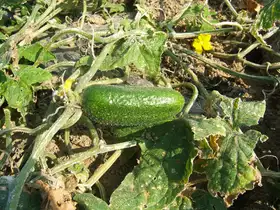 CucumbersFrost-tender, warm season
-
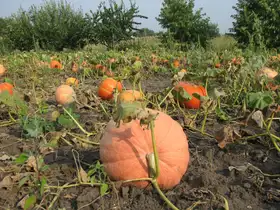 PumpkinsFrost-tender, warm season
-
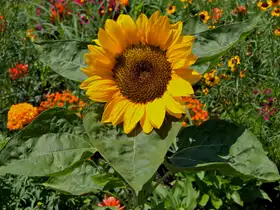 SunflowersFrost-tender, warm season
Browse by plant group
- Vegetables 39 guides
- Herbs 12 guides
- Fruit 9 guides
- Flowers & bulbs 32 guides
- Houseplants 25 guides
- Lawn 8 guides
Frost dates and zones answer different questions
Gardeners are usually told to “plant by zone”, but a hardiness zone and a frost date measure different things.
Your hardiness zone is the average temperature of the coldest winter night, from the 2023 USDA Plant Hardiness Zone Map. It tells you which perennials, shrubs, fruit trees and bulbs will survive winter in the ground. It says little about spring: Chicago and Denver share zone 6a, but Denver’s typical last frost comes about three weeks later.
Your frost dates are when the last spring frost and the first fall frost usually happen. They decide when to start seeds, set out tomatoes, sow peas or plant garlic. This site takes them from NOAA’s 1991-2020 climate normals for the weather station that best matches your ZIP code, and counts every planting date from them.
Risky, typical and safe frost dates
A single “average last frost date” hides how much springs vary. The site shows three spring dates for each place:
- Risky: frost still comes after this date in 9 years out of 10.
- Typical: the median, the date most calendars print. In half of years there is a later frost.
- Safe: a later frost only 1 year in 10.
Match the date to the plant. Peas, spinach and onions shrug off light frost and go in weeks before the typical date. Tomatoes, peppers, squash and basil are killed by frost and also stall in cold soil, so wait for the safe date or a warm forecast. In fall the order reverses: the risky date is when an early frost arrives 1 year in 10.
Frost here means 32°F at a thermometer about five feet above the ground. Low spots and open ground can frost on nights the station stays above freezing, so trust a frost forecast over any calendar.
How to use the site
- Enter your ZIP code above to see your zone, your frost dates and what to plant this month.
- Open the planting calendar for a month-by-month list of what to start indoors, plant out and sow for fall, which you can print.
- Read the plant guide for anything you grow. Each one shows the dates for every zone, explains soil temperatures, spacing and harvest, and cites the Extension sources behind it.
- Check your zone page before buying perennials, shrubs and fruit trees, to see what survives your winters.
Where frost is rare, as in much of Florida, southern Arizona and coastal California, the site says so and each guide gives the planting months local Extension services recommend instead.
Hardiness zones
Planting by state
- Alabama
- Alaska
- Arizona
- Arkansas
- California
- Colorado
- Connecticut
- Delaware
- Florida
- Georgia
- Hawaii
- Idaho
- Illinois
- Indiana
- Iowa
- Kansas
- Kentucky
- Louisiana
- Maine
- Maryland
- Massachusetts
- Michigan
- Minnesota
- Mississippi
- Missouri
- Montana
- Nebraska
- Nevada
- New Hampshire
- New Jersey
- New Mexico
- New York
- North Carolina
- North Dakota
- Ohio
- Oklahoma
- Oregon
- Pennsylvania
- Rhode Island
- South Carolina
- South Dakota
- Tennessee
- Texas
- Utah
- Vermont
- Virginia
- Washington
- West Virginia
- Wisconsin
- Wyoming
Questions
What is the difference between my frost date and my hardiness zone?
Your frost dates tell you when the last spring frost and first fall frost usually happen, which sets when to plant vegetables and annual flowers. Your hardiness zone tells you how cold the coldest winter night usually gets, which decides which perennials, shrubs and fruit trees survive. Places in the same zone can have frost dates weeks apart.
Should I plant on my average last frost date?
Only hardy and half-hardy crops. The typical (median) date still leaves a later frost in about half of years. Frost-tender plants such as tomatoes, peppers and basil are safer after the "safe" date, when a later frost comes only 1 year in 10, or once the soil and nights are warm enough.
Where do the frost dates on this site come from?
From NOAA's U.S. Climate Normals for 1991-2020, which give the dates by which the last spring freeze has passed in 10%, 50% and 90% of years at each weather station. Each ZIP code uses the most suitable nearby station, named on its page.
What if frost is rare where I live?
In much of Florida, southern Arizona, coastal California, south Texas and Hawaii, a frost-free winter is normal, so planting follows heat and rainfall instead of frost. The site tells you when that is the case and each plant guide lists the months local Extension services recommend.