Lawn Grass: When to Seed and Which Grass to Grow
When to plant grass depends on its type. Cool-season grasses such as tall fescue, Kentucky bluegrass and perennial ryegrass are best seeded in late summer to early fall, with early spring second best. Warm-season grasses such as Bermudagrass, zoysiagrass, centipedegrass and St. Augustinegrass are planted in late spring to early summer, once the soil is warm.
-
 BermudagrassFrost-tender, warm season
-
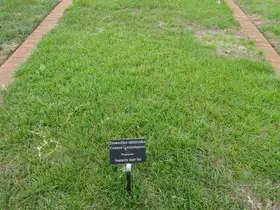 CentipedegrassFrost-tender, warm season
-
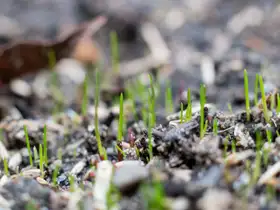 Grass SeedFrost-hardy
-
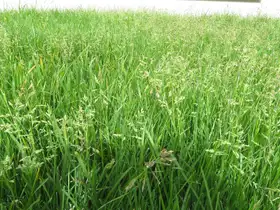 Kentucky BluegrassFrost-hardy, cool season
-
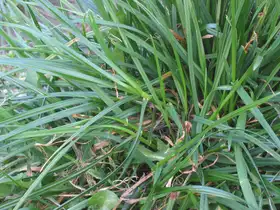 Perennial RyegrassFrost-hardy, cool season
-
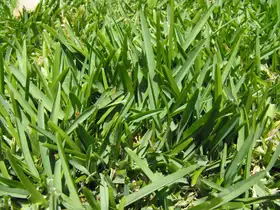 St. AugustinegrassFrost-tender, warm season
-
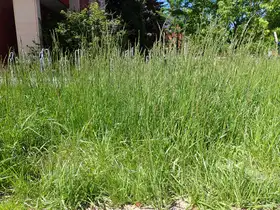 Tall FescueFrost-hardy, cool season
-
 ZoysiagrassFrost-tender, warm season
Cool-season and warm-season grasses
Lawn grasses fall into two groups that grow at opposite times of year, and the group decides when you plant.
Cool-season grasses include tall fescue, Kentucky bluegrass, perennial ryegrass and the fine fescues. University of Delaware notes they grow fastest in spring and fall, with best growth when daily average temperatures are around 68°F, and summer is their stress period. They stay green most of the year and are the lawns of the North, the Pacific Northwest and the higher parts of the transition zone. They are grown from seed or sod.
Warm-season grasses include Bermudagrass, zoysiagrass, centipedegrass, bahiagrass and St. Augustinegrass. They grow fastest in summer, best at 85°F and above (University of Delaware), and turn brown and dormant in cold weather. They are the lawns of the South. Some are seeded and others planted from sod, sprigs or plugs; each grass guide says which.
When to seed a cool-season lawn
Late summer to early fall is the best time. Illinois Extension explains why: the soil is still warm for fast germination, fewer annual weeds compete, and the young grass has fall, winter and spring to establish before summer heat. Its windows for Illinois are early August to early September in the north, mid-August to mid-September in the center, and September in the south. The dates on the grass seed guide count from your average first fall frost to give the same window for your ZIP code.
April is the second choice. Seeding from late spring through midsummer often fails, because heat slows or stops cool-season seedlings before they have roots to survive it.
When to plant a warm-season lawn
Warm-season grasses need warm soil. NC State recommends seeding Bermudagrass, bahiagrass, zoysiagrass and centipedegrass in late spring to early summer, once the soil stays at 65-70°F, and Illinois advises sowing them before summer starts. That gives them the full summer to spread before they go dormant in fall.
The transition zone
Across the middle of the country, between the cool-season North and the warm-season South, neither group is ideal. University of Delaware, which lies in the northern half of this transition zone, describes winters there as too cold for warm-season grasses to stay green and summers as hard on cool-season grasses. It recommends tall fescue for cool-season lawns and zoysiagrass for warm-season lawns in that region. Do not mix the two types in one lawn (Illinois).
Seeding rates and care
Illinois Extension’s seeding rates per 1,000 square feet are 1-3 pounds for a Kentucky bluegrass blend, 3-4 pounds for an 80:20 bluegrass-perennial ryegrass mix, 3-5 pounds for a 50:50 bluegrass-fine fescue mix and 6-9 pounds for tall fescue. Sowing more than that produces weak, spindly seedlings and invites disease. Rake the seed lightly into the surface, keep it moist until it is established, and consider a light straw mulch, about one bale per 1,000 square feet, to hold moisture and soil in place.
Where to start
Choose the grass type for your region first; each grass guide covers where it is adapted, its shade and traffic tolerance, and whether it is seeded or sodded. Then plant in that grass’s season using the dates for your ZIP code.
Questions
When is the best time to plant grass seed?
For cool-season lawns, late summer to early fall. Illinois Extension gives early August to early September in northern Illinois, mid-August to mid-September in central Illinois and September in the south, with April as a second choice. Warm-season grasses are seeded in late spring to early summer, when soil stays at 65-70°F (NC State).
Can I seed grass in summer?
Not a cool-season lawn. Illinois Extension says seeding from late spring through midsummer often fails because summer heat slows or stops the growth of cool-season seedlings. Summer is the season for warm-season grasses.
Can I mix warm-season and cool-season grass seed?
No. Illinois Extension advises never mixing the two types, because they grow and go dormant at opposite times of year and the lawn ends up patchy.
What is the transition zone?
The band across the middle of the country between the cool-season North and the warm-season South. University of Delaware, which sits in its northern half, describes winters too cold for warm-season grasses to stay green and summers that stress cool-season grasses, and recommends tall fescue as the cool-season choice and zoysiagrass as the warm-season choice.