Houseplants: Light, Water and Care Through the Year
Houseplants have no planting date. Their year is set by light: they grow actively from spring through summer, when they need more water and regular feeding, and slow down in the dim winter months, when most need less water and little or no fertilizer. Match each plant to the light you have, water only when it needs it, and repot in spring.
-
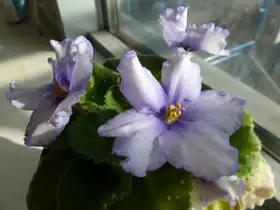 African Violetsbright
-
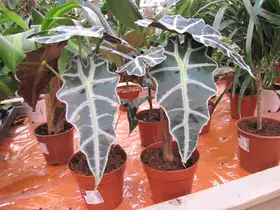 Alocasiasbright indirect light indoors
-
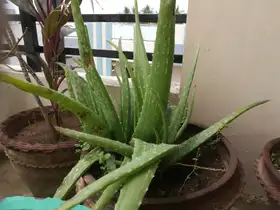 Aloe Vera Plantsfull sun to partial shade outdoors
-
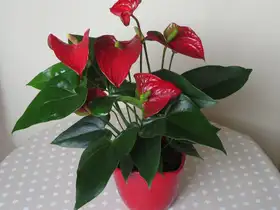 Anthuriumsbright
-
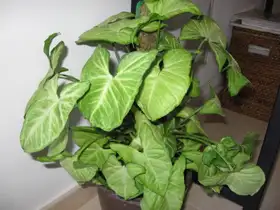 Arrowhead Plantsmedium to bright indirect light
-
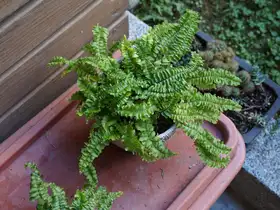 Boston Fernsmedium-bright
-
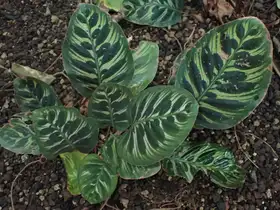 Calatheasmedium to low indirect light
-
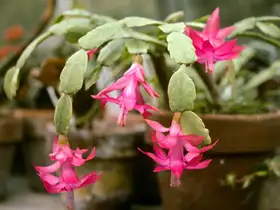 Christmas Cactibright
-
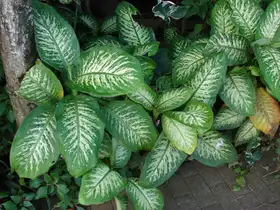 Dieffenbachiasbright
-
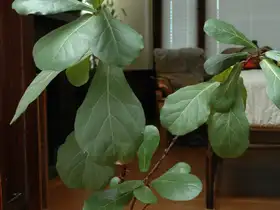 Fiddle-Leaf Figsbright indirect light or partial shade indoors
-
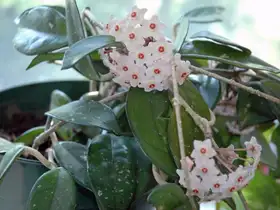 Hoyasbright
-
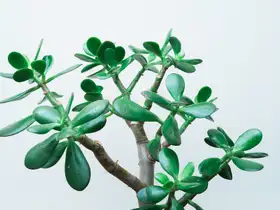 Jade Plantsfull to partial sun
-
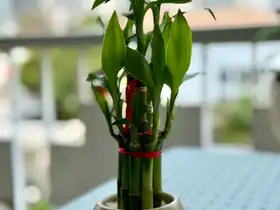 Lucky Bamboobright
-
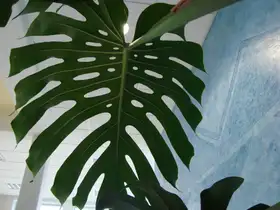 Monsterasbright light without direct sun in summer
-
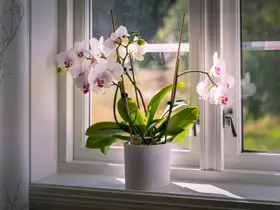 Orchidsbright indirect light
-
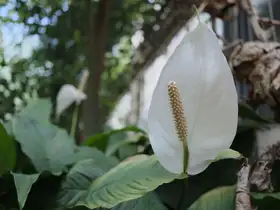 Peace Liliesbright indirect light
-
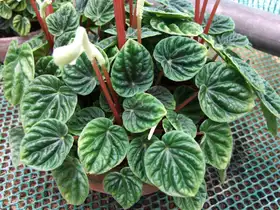 Peperomiasbright indirect light
-
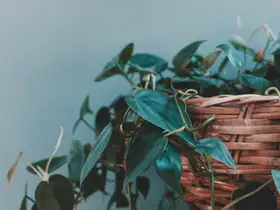 Philodendronsbright diffuse or indirect light
-
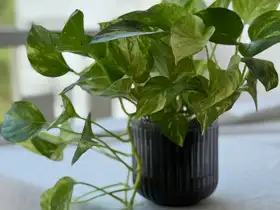 Pothosbright indirect or filtered light
-
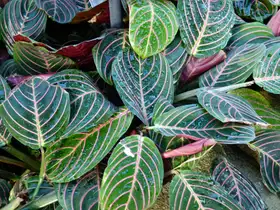 Prayer Plantsbright
-
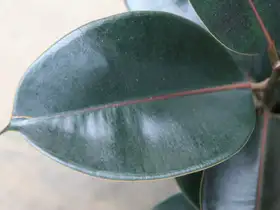 Rubber Plantsbright indirect light
-
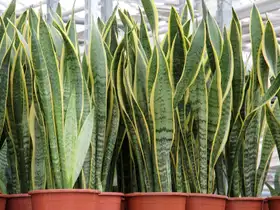 Snake Plantspart shade
-
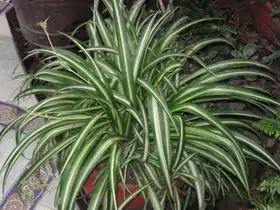 Spider Plantsbright to moderate indirect light
-
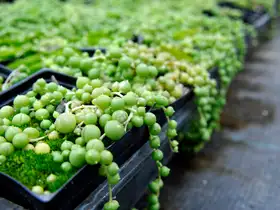 String of Pearls Plantsbright
-
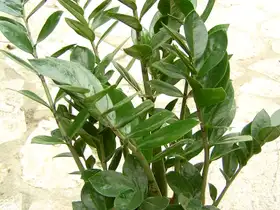 ZZ Plantsbright indirect light for faster growth
Light comes first
UF/IFAS calls light the most important factor in choosing a houseplant, and the hardest to judge. Our eyes adjust so quickly that a desk by the window and a workspace across the room both look bright, although one may get ten times the light. Even in winter, the light outdoors at noon can pass 4,000 foot-candles, while a north window may never reach 400 and an office lit only by overhead lights often gets 40 or fewer.
Each houseplant guide on this site lists the light that plant needs. As a rough guide, foliage plants such as pothos, heartleaf philodendron and peace lily tolerate low light, while succulents such as aloe and jade want a sunny south or west window.
Watch the plant for signals. UConn notes that plants short of light lean toward the window, with pale leaves, spindly stems and few flowers, a common problem in winter; leaves that bleach or turn purplish in strong light mean the plant wants less.
Watering: the most common mistake
Maryland Extension’s list of why houseplants die starts with overwatering, followed by poor drainage. Roots need air as well as water, and soil that stays soggy suffocates them. Most houseplants like to dry out somewhat between waterings: check the soil with a finger, water until it runs out of the drainage hole, and pour off the excess.
UConn describes the spiral that kills many plants: the soil dries out, roots die, the gardener floods the pot to compensate, and the damaged roots rot in wet mix. Overwatered plants often show black edges on leaves and stems, and blackened roots.
Water needs change with the seasons. Plants use more water in warm, sunny weather and less in cool, dim winter months, though forced-air heating and wood stoves can dry pots out quickly (UConn).
The houseplant year
- Spring: growth resumes as days lengthen. Repot plants that have outgrown their pots, into a container an inch or two larger with fresh soilless mix (Maryland), and start feeding again.
- Summer: active growth. Feed regularly; UConn uses a quarter- to half-strength solution every 2-4 weeks. If plants spend summer outdoors, check them for hitchhiking pests before bringing them in.
- Fall and winter: less light, slower growth. Water less and feed at half strength or not at all. Raise humidity for tropical plants with a pebble tray, grouping or a humidifier, since dry winter air causes leaf and bud drop (Maryland, UConn). Keep plants away from cold drafts, doors and heat vents.
Where to start
Plants that tolerate low light and occasional neglect make the best start. Snake plant, ZZ plant and pothos all tolerate low light and prefer to dry out between waterings, and spider plant tolerates shade and some drought. For a sunny window, aloe vera and jade plant need little water. Each guide covers light, watering, humidity, repotting and propagation for that plant, and whether it is toxic to pets.
Questions
What kills most houseplants?
Overwatering. University of Maryland Extension calls it the number one killer: waterlogged soil starves roots of oxygen. UConn points to inconsistent watering, where a plant dries out, then gets drenched, as the related problem. Water when the plant needs it, make sure every pot drains, and empty saucers.
How do I know how much light a window gives?
Your eyes are poor judges. UF/IFAS gives rough guides measured at midday - low light is 25-100 foot-candles, medium 100-500 (an unshaded north window or a shaded east or west window), high 500-1,000 (an unshaded east or west window or a shaded south window), and direct sun over 1,000 (an unshaded south or southwest window). A light meter or phone app gives an estimate.
When should I repot a houseplant?
In spring, when roots circle the pot or grow out of the drainage holes. Maryland Extension moves plants to a pot only 1-2 inches larger, with fresh, light soilless potting mix rather than garden soil.
Should I fertilize houseplants in winter?
Little or not at all. Maryland Extension feeds at half strength or skips winter feeding, and UConn feeds every 2-4 weeks only while plants are actively growing, using a quarter- to half-strength solution.