How to Care for a Spider Plant
A spider plant wants bright to medium indirect light, water once the top inch of soil has dried, and rooms between 55 and 80°F. Brown tips usually come from fluoride, chlorine or salts in the water or from overfeeding, and the hanging plantlets form after fall's short days. It is non-toxic to cats and dogs, which makes it one of the safest houseplants for pet owners.
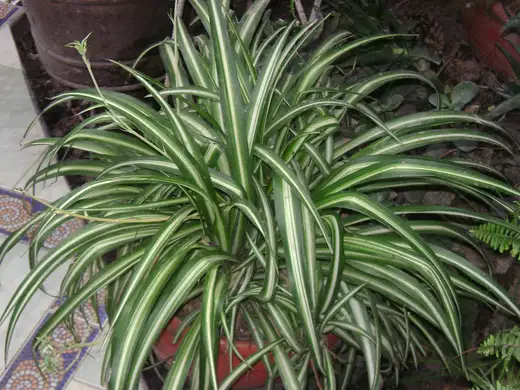

Spider Plants at a glance
- Botanical name
- Chlorophytum comosum
- Light
- bright to moderate indirect light; tolerates shade; avoid midday sun
- Hardiness zones
- 9-11
- Containers
- Yes
When to repot and propagate spider plants
Light
Spider plants grow best in bright to medium indirect light. NC State notes they tolerate deep shade, so they will survive in a dim spot, though they grow best with more light. Clemson says some direct light is fine as long as you keep the plant out of midday sun, which scorches the leaves. A spot near an east window, or a few feet back from a bright south or west one, works well.
Watering
Spider plants store water in thick, tuberous roots, so they handle a missed watering far better than constant wetness. UF/IFAS recommends letting the upper inch of soil dry out briefly between waterings. Push a finger into the mix; when the top inch feels dry, water thoroughly until it drains, then empty the saucer. Clemson suggests checking the soil daily; a plant in a hanging basket or a small pot in a warm room can dry out quickly.
Cut back in winter, when growth slows. Root rot from overwatering or a slow-draining mix is the main way spider plants die.
The water itself matters
Brown leaf tips are the most common spider plant complaint, and the water is often to blame. UF/IFAS says spider plant is particularly sensitive to fluoride and recommends rainwater or distilled water if your tap water is fluoridated. NC State adds chlorine to the list, and Clemson points to water high in soluble salts. If your plant has brown tips despite good watering habits, switch water before changing anything else.
Potting mix and pot
A general-purpose potting soil with good drainage suits spider plants, according to Clemson. Use a pot with drainage holes. Hanging baskets show the plant off best: the arching leaves and long stems carrying plantlets can trail over the sides.
Watch the roots. The fleshy tubers expand as the plant grows, and Clemson warns they can crack a container. Repot or divide before that happens.
Temperature and humidity
UF/IFAS calls temperatures below 55°F too cool and above 80°F too warm. Clemson gives 65 to 75°F by day and 50 to 55°F at night, and NC State simply says keep it above 45°F. In practice, normal room temperature is ideal. In winter, move plants a few feet back from cold windows.
NC State says spider plant prefers medium humidity. If tips brown in dry winter air, run a humidifier or set the pot on a tray of pebbles and water, with the pot sitting above the waterline.
Feeding
Feed only while the plant is actively growing, using a water-soluble or time-release houseplant fertilizer at the label rate. Do not overdo it. NC State warns that overfeeding reduces plantlet production, and excess fertilizer also burns leaf tips. Clemson advises waiting four to six months before feeding a freshly repotted plant.
Repotting and dividing
Spider plants can be repotted at any time of year. UF/IFAS suggests repotting once a year while the plant is young and every other year once it matures. The signs are thick roots crowding the pot, pushing out of the drainage holes or up through the soil, or a pot that starts to bulge or crack.
To divide an overgrown plant, slide it out of the pot and separate the clump into sections, each with leaves and a share of the tuberous roots. Pot each in fresh mix.
Propagating plantlets
The small plants on the ends of the long stems are the easiest way to make more spider plants. They root readily when they touch soil. Either pin a plantlet onto a pot of moist mix while it is still attached to the mother plant and cut the stem once it has rooted, or cut off a plantlet that already shows small roots and pot it directly. Clemson says this works at any time of year.
If your plant produces no plantlets, light timing is usually the reason. NC State explains that the stems form only after the mother plant gets short days with long, uninterrupted nights, meaning less than 12 hours of light a day, for at least three weeks. That is why Clemson notes most plantlets appear after the days shorten in fall. A plant in a room lit late every evening may never get that signal. Overfeeding also cuts production.
Pests and problems
- Brown leaf tips. Fluoride, chlorine or salts in the water, too much fertilizer, low humidity or soil that dried out completely. Switch to rainwater or distilled water, feed less and raise humidity. Trim the brown ends with clean scissors if they bother you.
- Root rot. Caused by overwatering or a slow-draining mix. Let the top inch dry between waterings and use a pot with drainage holes.
- No plantlets. Not enough short days in fall, or too much fertilizer.
- Scorched, pale patches. Midday sun. Move it to indirect light.
- Insects. Clemson lists whiteflies, spider mites, scale and aphids. Check leaf undersides and the base of the leaves, and treat as soon as you find them.
Toxicity
The ASPCA lists spider plant as non-toxic to dogs and cats, and NC State tags it non-toxic for horses. It is one of the safest choices for a home with pets.
Summering outdoors and warm-winter areas
A potted spider plant can spend the summer outdoors in shade. The University of Maryland Extension recommends moving houseplants out only once nights stay above 60°F, starting them in a shady spot, and bringing them back as nights begin to drop below 60°F. Because UF/IFAS calls anything below 55°F too cool for spider plant, do not leave it out into chilly fall nights. Check it carefully for insects before it comes back inside.
NC State lists spider plant as hardy outdoors in zones 9-11, protected from frost. It was once used as a shade groundcover in South Florida, but the UF/IFAS invasive-plant assessment now predicts it will become invasive in North, Central and South Florida, and UF/IFAS no longer recommends planting it outdoors there. Florida gardeners should keep it in pots and baskets.
Questions
Why does my spider plant have brown tips?
The usual causes are fluoride, chlorine or soluble salts in tap water, too much fertilizer, dry air or soil that dried out completely. Switch to rainwater or distilled water, feed less and raise humidity with a pebble tray.
Why is my spider plant not making babies?
NC State explains that plantlet stems form only after the plant gets short days, under 12 hours of light, for at least three weeks, and that overfeeding reduces plantlets. Avoid lighting it late into the evening in fall and cut back on fertilizer.
How often should I water a spider plant?
Water when the top inch of soil has dried briefly, as UF/IFAS recommends, then let the pot drain. It tolerates drought better than soggy soil, so water less in winter when growth slows.
Is a spider plant safe for cats and dogs?
Yes. The ASPCA lists spider plant as non-toxic to dogs and cats, and NC State tags it non-toxic for horses as well.
Can I grow spider plant outdoors in Florida?
UF/IFAS no longer recommends it for outdoor planting anywhere in Florida because its assessment predicts the plant will become invasive there. Keep it in containers or hanging baskets instead.
Sources
- Moving Indoor Plants Outside · University of Maryland Extension
- Chlorophytum comosum (Spider Plant) · North Carolina State University Extension (Extension Gardener Plant Toolbox)
- Spider Plant (Chlorophytum comosum), HGIC 1513 · Clemson Cooperative Extension Home & Garden Information Center
- Spider Plant · University of Florida IFAS Extension (Gardening Solutions)
- Chlorophytum comosum - UF/IFAS Assessment of Non-Native Plants in Florida's Natural Areas · University of Florida IFAS
- Spider Plant (Toxic and Non-toxic Plants) · ASPCA Animal Poison Control Center