How to Grow Coneflowers
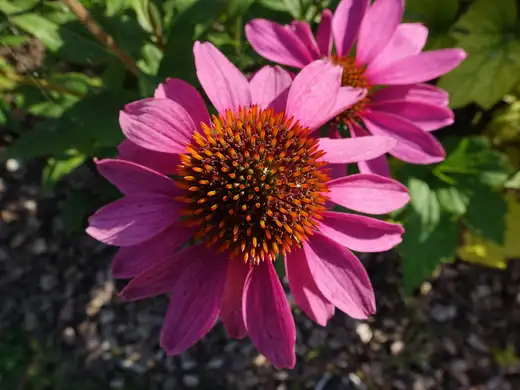
Purple coneflower is a tough native perennial for full sun to light shade and well-drained soil, and it shrugs off heat and drought once established. Plant potted plants or divisions in spring or early fall, 1 to 2 feet apart, feed lightly in early spring, and leave the seed heads standing for goldfinches. Plants grown from seed take two or more years to reach full size.

Your dates for coneflowers
Set your ZIP code at the top of the page and we will work out when to plant coneflowers where you live, from the frost records of the nearest NOAA weather station. Your ZIP code is remembered on this device only.
Coneflowers at a glance
- Botanical name
- Echinacea purpurea
- Light
- full sun (6+ hours) to partial shade
- Frost tolerance
- Hardy: takes a hard frost
- Hardiness zones
- 3-9
- Germination
- 10–20 days
- Planting depth
- 0.25 inches
- Spacing
- 12–24 inches apart, rows 24–36 inches apart
- Containers
- Yes
When to plant coneflowers
| Zone | Fall planting |
|---|---|
| Zone 2a * | Jul 11 to 25 |
| Zone 3a | Jul 20 to Aug 3 |
| Zone 3b | Jul 30 to Aug 13 |
| Zone 4a | Aug 3 to 17 |
| Zone 4b | Aug 6 to 20 |
| Zone 5a | Aug 9 to 23 |
| Zone 5b | Aug 15 to 29 |
| Zone 6a | Aug 22 to Sep 5 |
| Zone 6b | Aug 27 to Sep 10 |
| Zone 7a | Aug 30 to Sep 13 |
| Zone 7b | Sep 6 to 20 |
| Zone 8a | Sep 12 to 26 |
| Zone 8b | Sep 18 to Oct 2 |
| Zone 9a | Oct 1 to 15 |
| Zone 9b | Oct 14 to 28 |
* Outside zones 3 to 9, the hardiness range our sources give for coneflowers. Plants there may not survive the winter or get enough winter chill, and are usually grown as annuals or in pots.
Where coneflowers grow best
Purple coneflower, Echinacea purpurea, is native to the prairies and open woods of the central and eastern United States. Clemson rates it hardy in zones 3 to 9 and NC State in zones 3 to 8. It grows in full sun, meaning six or more hours, to part shade.
The ideal soil is moist but well drained, though coneflowers adapt to many soil types and become drought and heat tolerant once established. What they do not handle is soggy ground. Sources differ on the coast: Clemson says coneflowers grow well across South Carolina except the coast because of poor salt tolerance, while NC State lists purple coneflower as salt resistant. On a beachfront site, try a few plants before committing a whole bed.
Plants grow 2 to 4 feet tall with strong stems that rarely need staking. The flowers draw butterflies and bees in summer, and NC State calls the plant deer resistant.
Planting potted coneflowers and divisions
Most gardeners start with potted plants. Set them at the same depth they grew in the pot, water well and keep the soil moist until they root in. Spring and early fall both work. For fall, Illinois Extension advises getting perennials in about six weeks before the first frost so roots can establish before winter.
USDA NRCS field spacing is 1 to 2 feet between plants and 2 to 3 feet between rows, and Clemson stresses that good spacing keeps air moving and leaves dry, which cuts disease.
Growing coneflowers from seed
Coneflower is easy to start from seed, and it self-sows readily in the garden.
Indoors. Sow in flats at an air temperature of 65 to 70°F and cover the seed lightly. Keep the surface misted. Seedlings appear in 10 to 20 days and are ready to move into pots 20 to 28 days after sowing.
Outdoors. Sow ⅛ to ¼ inch deep in a firm, weed-free seedbed. Clemson allows outdoor sowing in spring or summer up to about two months before frost.
Cold treatment. Seed sown in spring will sprout without chilling, but USDA NRCS notes that most sources find cold stratification improves germination. Keep seed moist in the refrigerator for about two months before sowing, or simply sow outdoors in late fall and let winter do the work.
Be patient. Plants from seed can take two or more years to reach good size. Some newer cultivars, such as ‘Glowing Dream’, are bred to bloom their first year.
Feeding, watering and dividing
Coneflowers are light feeders. Without a soil test, Clemson applies a slow-release fertilizer such as 12-6-6 at 1 pound per 100 square feet in late March or early April, just before new leaves emerge. Rich soil and extra fertilizer are not needed.
Water new plantings through their first season. After that, they need water only in long dry spells, and it is best applied at the base rather than overhead.
Divide every 3 to 4 years, in spring or fall, to keep clumps from crowding.
Seed heads, stems and wildlife
Coneflowers bloom from early summer and continue, with less vigor, into fall. Snip spent flowers if you want a tidy look, but leave the late ones. Goldfinches and other songbirds eat the seed through fall and winter.
Wait on fall cleanup too. Native bees nest in the hollow dead stems, so NC State suggests cutting stems back to 12 to 24 inches and leaving them standing until they break down. If you want to save seed, USDA NRCS harvests ripe heads in autumn before fall rains set in; slightly green heads can be dried in the sun first.
Common problems
- Aster yellows: stunting and deformed, green, tufted flower heads, spread by leafhoppers. Remove and destroy infected plants.
- Eriophyid mites: microscopic mites inside the buds cause tufts of distorted flower parts. Cut affected plants to the ground in fall and destroy the debris.
- Japanese beetles: an occasional pest in summer.
- Aphids: insecticidal soap, applied three times at 5- to 7-day intervals.
- Leaf spot and powdery mildew: reduce with good spacing and well-drained soil.
- Rabbits: can eat plants to the ground. Clemson suggests hot pepper wax sprays.
Cultivars and companions
Breeders have added red, orange, yellow, white and double forms to the original purple. Clemson’s South Carolina fact sheet describes cultivars such as ‘Magnus’, ‘White Swan’, ‘Ruby Star’ and ‘Kim’s Knee High’, and notes that ‘Magnus’ and ‘White Swan’ come reliably true from seed. It cautions that some newer hybrid series, such as Big Sky, may not be reliably hardy in poorly drained soil.
In Florida, UF/IFAS warns that some coneflowers last only a year or two before fading. Enriched, well-drained soil helps.
For a pollinator or native planting, NC State suggests butterfly weed and bee balm as plants that fill a similar role. Grouping them is a design choice, not a proven companion-planting effect.
Questions
Do coneflowers bloom the first year?
Plants started from seed usually take two or more years to reach a good size, so expect a light first season. A few newer cultivars, such as 'Glowing Dream', are bred to bloom the first year.
Should I deadhead coneflowers?
Deadheading is optional. Clemson suggests leaving the late seed heads because goldfinches eat the seed in fall and winter, and NC State encourages leaving dead stems 12 to 24 inches tall for stem-nesting bees.
Do coneflower seeds need cold stratification?
Not strictly. USDA NRCS says seed sown in spring will sprout without it, but chilling improves germination. Store seed moist in the refrigerator for about two months, or sow outdoors in fall.
Why are my coneflower blooms green and deformed?
Green, tufted, misshapen flower heads are a classic sign of aster yellows, spread by leafhoppers. There is no cure, so remove and destroy infected plants. Eriophyid mites cause similar tufts.
How long do coneflowers live in Florida?
Not every coneflower lasts there. UF/IFAS says some grow for a year or two and then decline, and enriched, well-drained soil helps them last longer.
Sources
- Echinacea (HGIC factsheet) · Clemson Cooperative Extension Home & Garden Information Center
- Echinacea purpurea - Plant Toolbox · North Carolina State Extension
- Plant Guide: Eastern Purple Coneflower (Echinacea purpurea) · USDA NRCS National Plant Data Center
- Plant Fact Sheet: Eastern Purple Coneflower · USDA NRCS East Texas Plant Materials Center
- Purple Coneflower - Gardening Solutions · University of Florida IFAS Extension
- Establishing perennials in the early fall · University of Illinois Extension